
Custom Products
Your sketch or sample becomes a mould — PET, HDPE, PP, PS or LDPE, decorated to match the line. Four application categories cover the fills we see most.
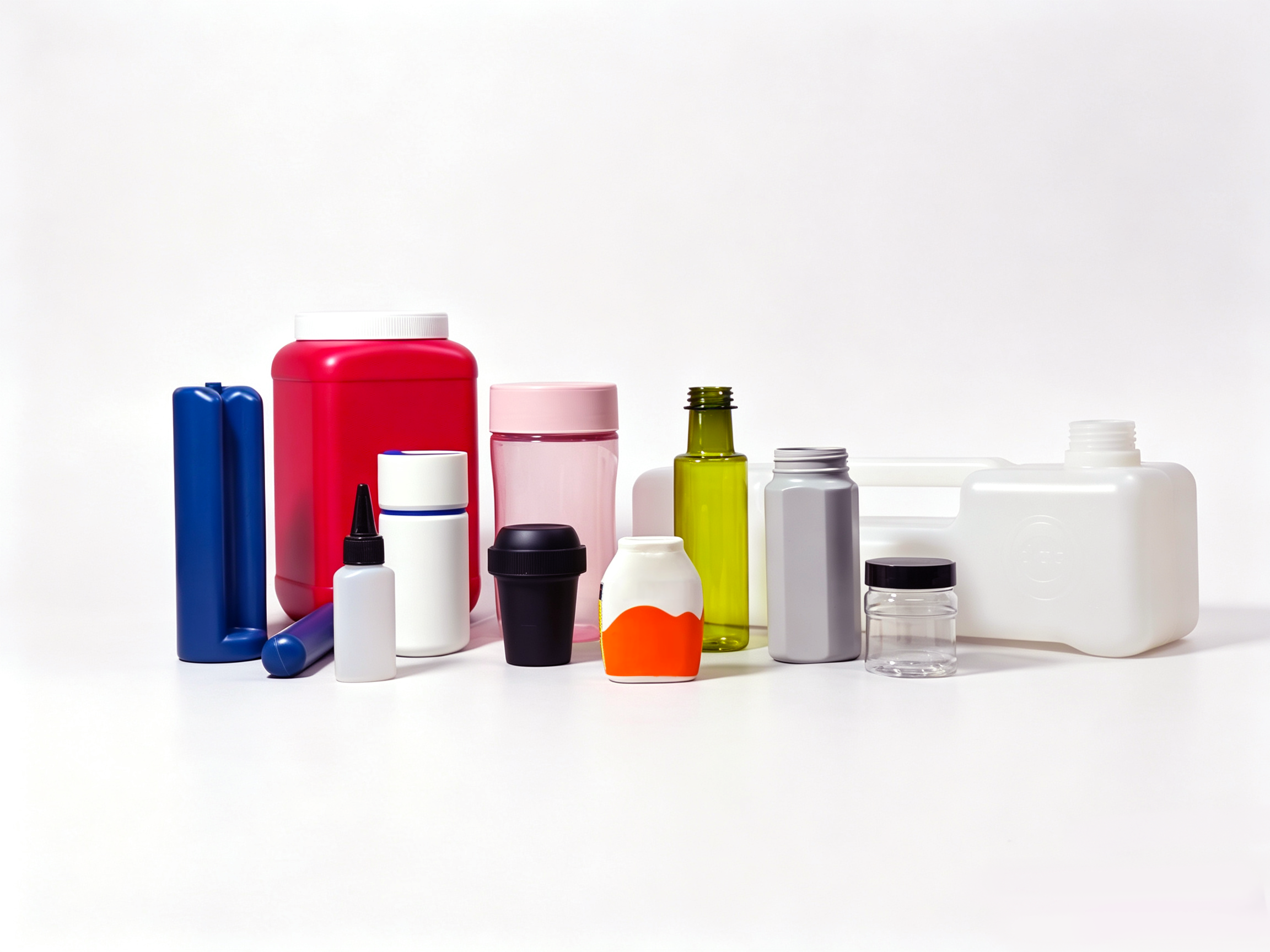
Four application categories
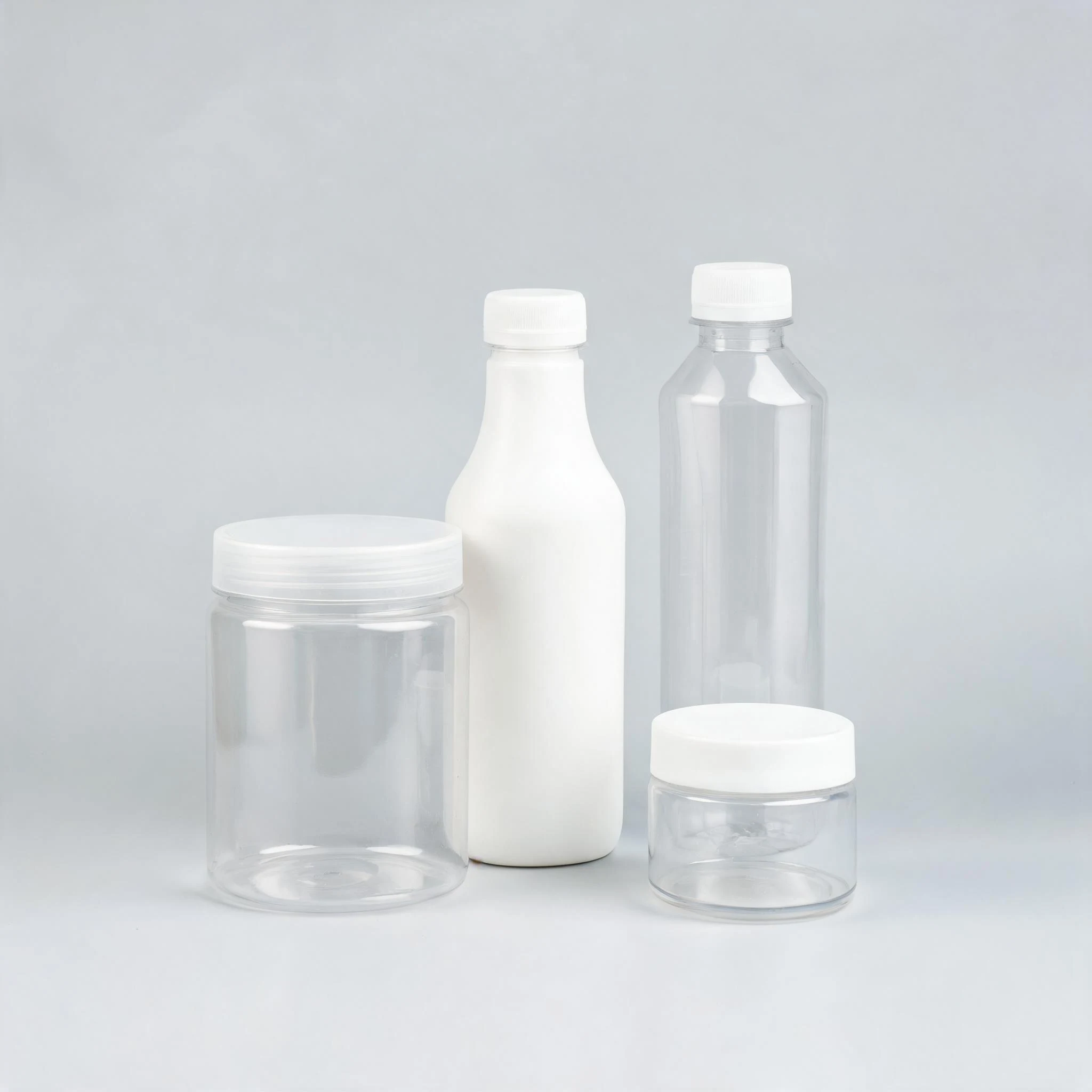
Food & Beverage
Wide-mouth jars, bottles and closures for food and beverage fills, in food-contact grades.
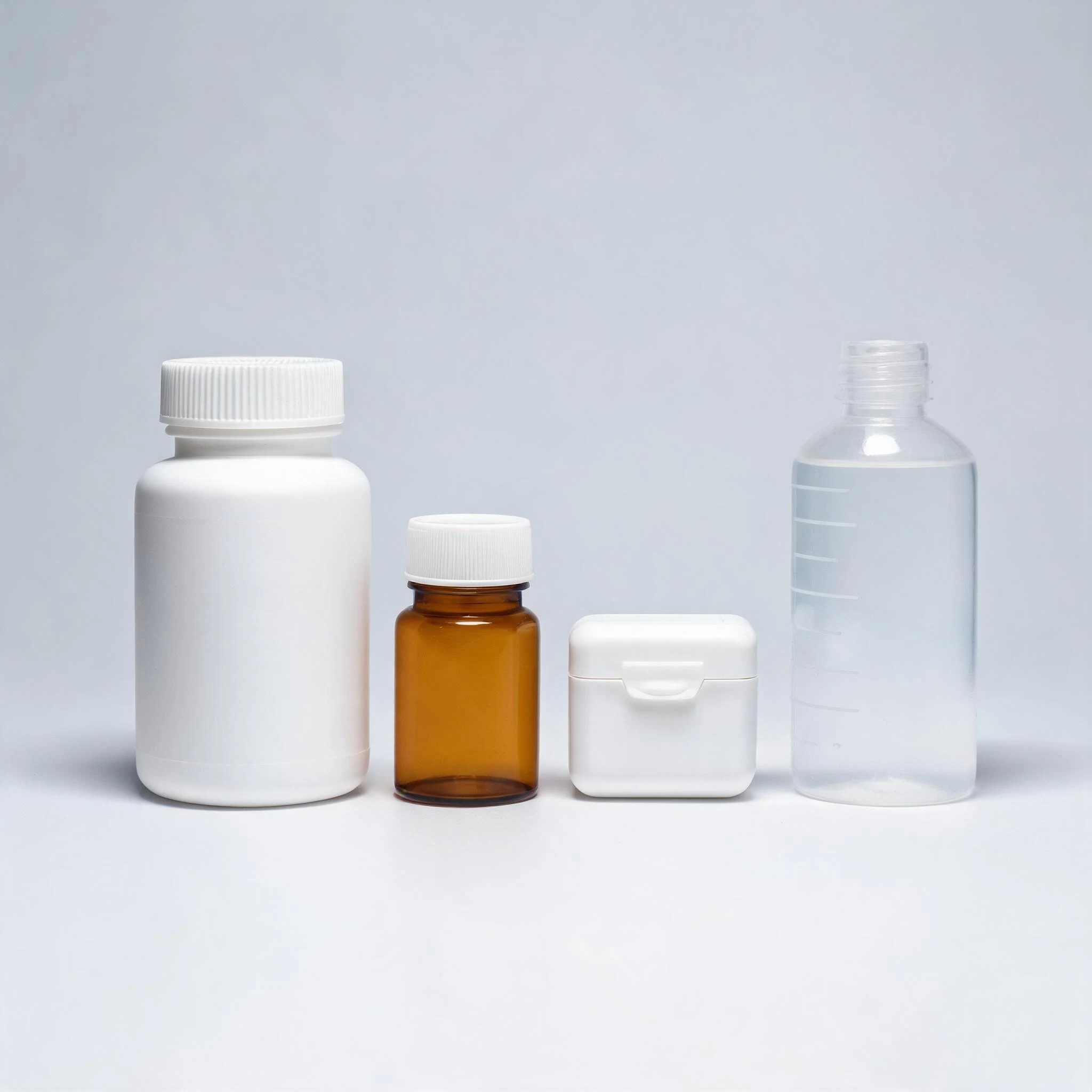
Medical & Healthcare
Medical plastic containers including portable medical formats, with child-resistant or screw closures.
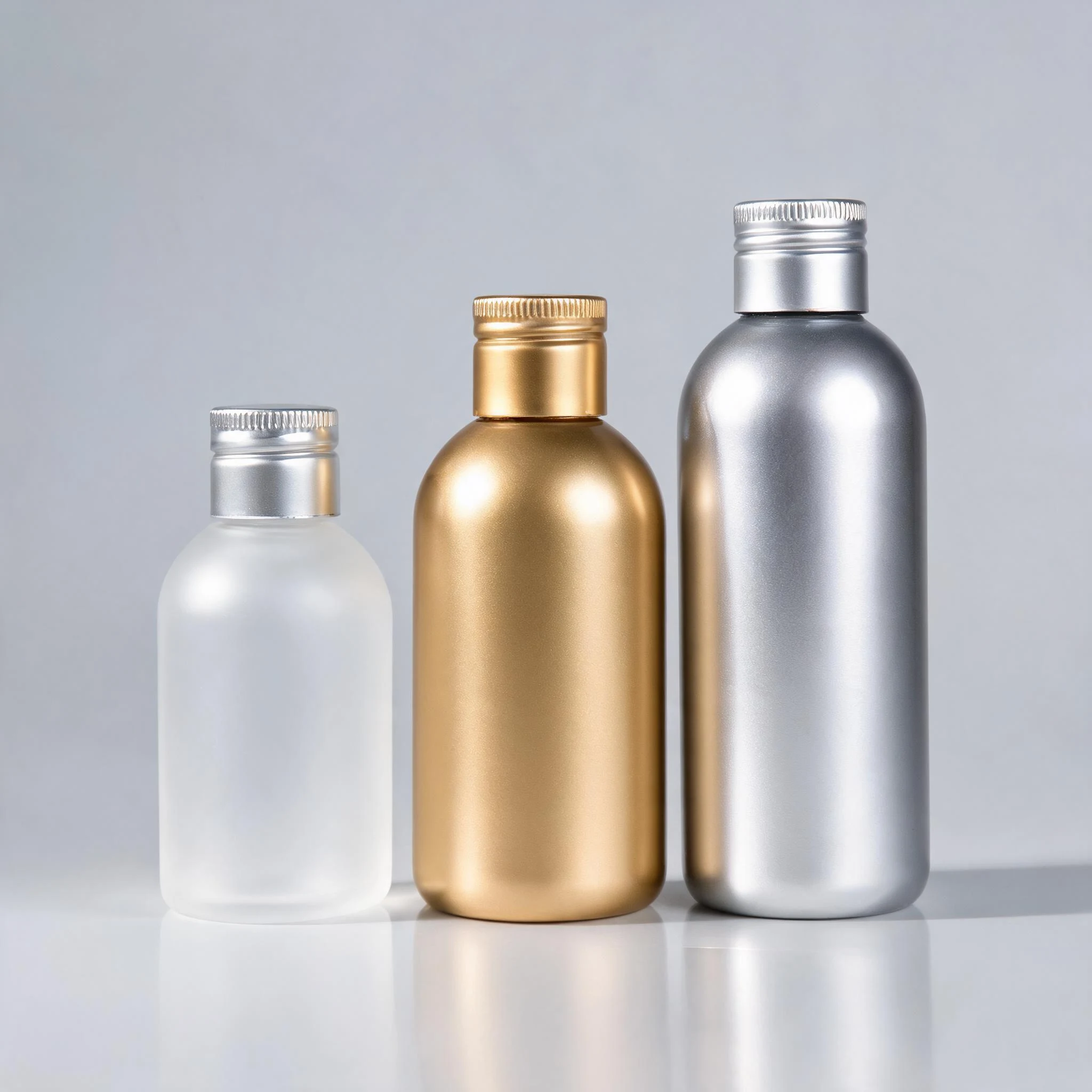
Cosmetics & Personal Care
Skincare dropper bottles and companion bottle formats, finished by silkscreen, hot stamping, spray coating or electroplating.
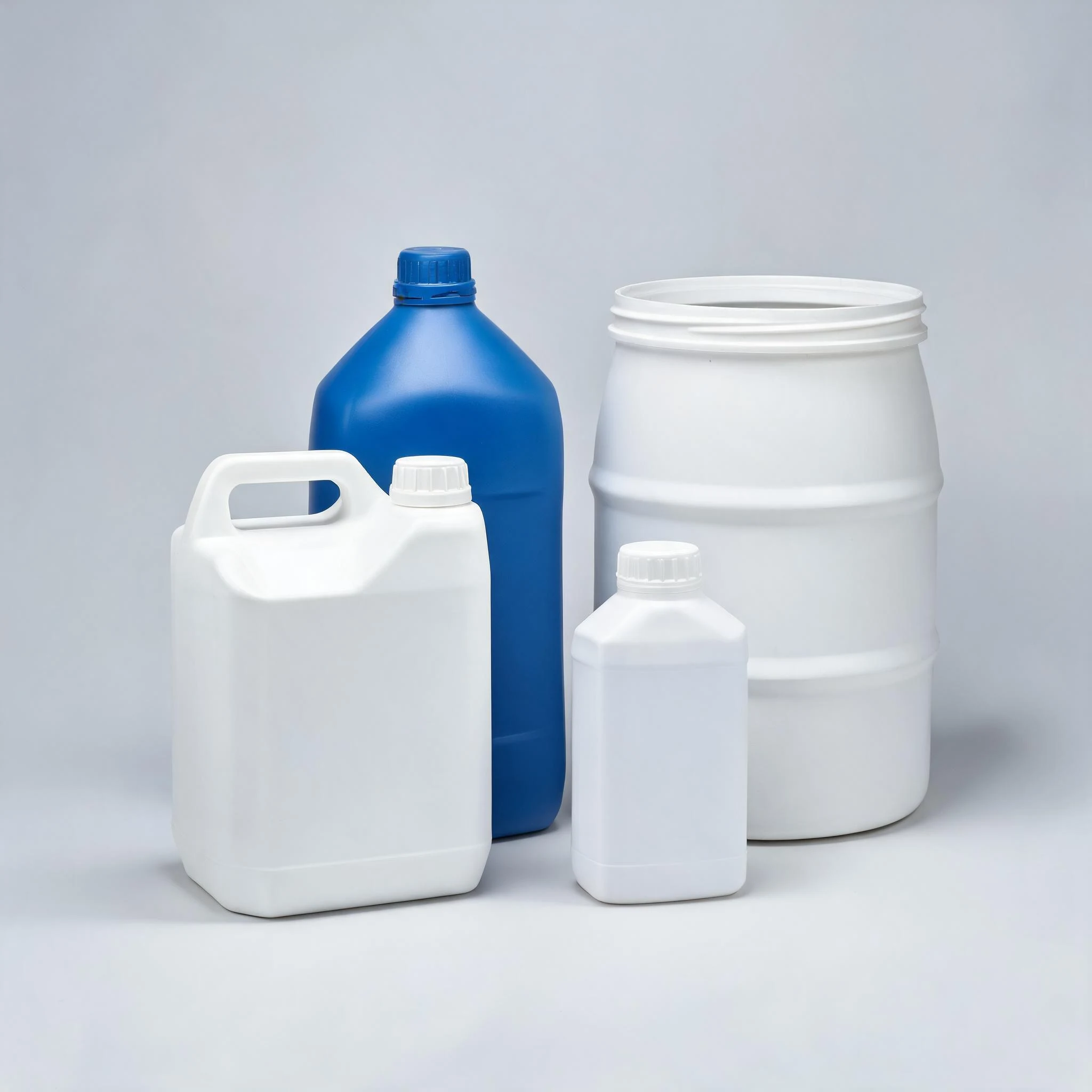
Industrial, Chemical & Agricultural
Durable containers for industrial, chemical and agricultural products, with handles and closures matched to the fill.
Specification
Custom projects run through design review, tool making and a pilot shot before production. The customer normally owns the tooling; it stays here and is maintained for future runs.
| Material | PET / HDPE / PP / PS / LDPE |
|---|---|
| Neck finish | 36-400 / 42-400 / 52-400; other finishes tooled per project |
| Colour | White / black / transparent / frosted transparent / amber / translucent colours / custom |
| Decoration | Silkscreen / hot stamping / spray coating / label / electroplating |
| Tooling | Customer normally owns the mould; cost quoted separately |
Colours, decoration and closures are combined per project; the catalogue figures are the starting point for a quotation, not a stock list.
Custom projects, answered
When do I need a new mould?
When the format, wall or neck is outside existing tools. Standard PET and PE sizes need no tooling.
Who owns the mould?
The customer normally owns the tooling. Mould cost is quoted separately and the tool is stored and maintained here for future runs.
Which materials can I pick?
PET, HDPE, PP, PS and LDPE.